Code Books are Outdated - Use AI code scrubbers instead
Why Medical Coding is one of the hardest jobs in US healthcare
Medical coding changes faster than any physical reference can keep up. CPT code books—once the backbone of billing departments—now function more like history books. By the time an edition reaches a coder’s desk, the healthcare ecosystem has already shifted: CMS quarterly updates have rolled out, state Medicaid programs have adjusted policies, and payers have updated their adjudication rules. Yet many organizations still rely on printed or static digital CPT books to guide decisions that affect revenue, compliance, and audit exposure.
This article examines why CPT code books fail in a real-time healthcare environment, why medical experience alone can’t solve the velocity problem, and how AI coding systems like iVECoder outperform passive references by orders of magnitude.
Lastly, CPT codes books can't run a mock authorization or mock adjudication like an AI scrubber (iVECoder) can in seconds, and then alter the claim or authorization based on bundled codes, modifiers, or place of service. (see below).

Limitations of CPT and AAPC-related books
Static Information in a Digital Healthcare World
A CPT code book represents coding rules at a single point in time—the publication date. Healthcare, however, does not operate in yearly snapshots. Hundreds of CPT, HCPCS, and payer-specific rules change every quarter. New codes are introduced, descriptions shift, bundled procedures are reclassified, and payer policies redefine what constitutes a payable service.
Once printed, a CPT code book freezes in time. By Q2 of any given year, it is already misaligned with the live versions of CMS, AMA, and Medicaid guidelines. In environments where accuracy determines reimbursement and compliance, static references create real financial and regulatory risk.
Delayed Access to Updates
Even coders who purchase supplemental updates face delays. Printed addenda, updated PDFs, and emailed bulletins never arrive as fast as the actual coding changes propagate across federal and state systems. During these gaps, coders unknowingly submit outdated codes—leading to preventable denials, rework, and missed audit flags. Each delay compounds downstream: more touches per claim, more training overhead, and more exposure to avoidable errors.
Furthermore, every claims you've submitted for payment (providers); and every claim paid by payers with incorrect coding and rules can be audited placing both your entities on the hook for rebilling, encounter data hits, and even fines if the trend is shown to be excessive and perhaps bordering on abusive (FWA).
The Hidden and Recurring Cost of Outdated Information
CPT books are not a one-time expense. They require continual replacement, often bundled with additional reference materials. Annual code sets commonly cost $100–$250 per coder, not including the labor wasted on searching, bookmarking, sticky notes, or re-training teams when rules shift. Because updates are manual, coders spend time hunting for changes rather than focusing on accuracy or adjudication logic.
The value of static information depreciates the moment it ships—a parallel to how outdated clinical guidelines lose relevance the moment new evidence emerges.
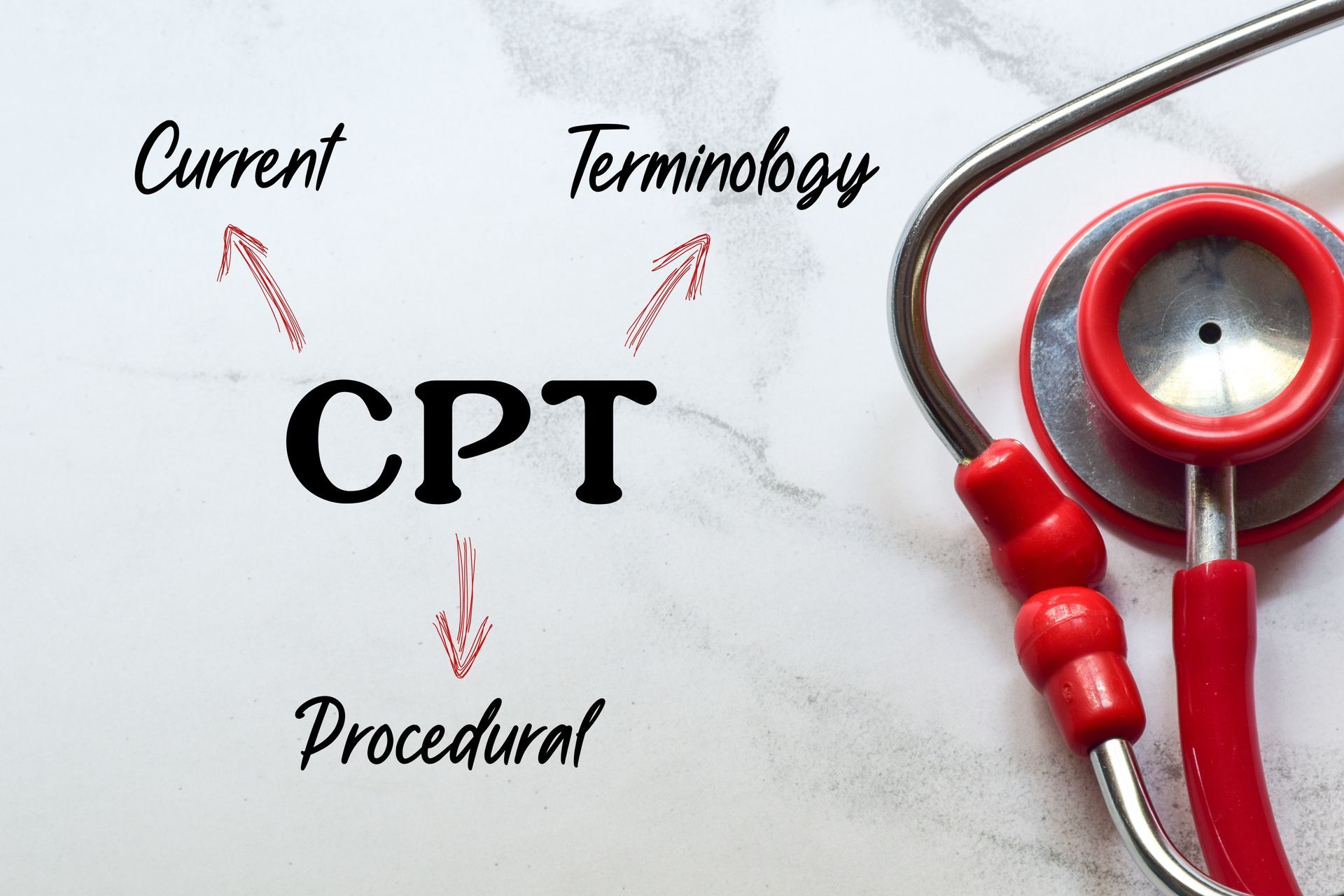
Cost Comparison: CPT books vs Coding software solutions
Most organizations assume printed CPT books are “cheaper” because the sticker price is low. In reality, the total operational cost is significantly higher.
Annual code book costs:
- AMA CPT® Professional 2025: $127.99
- 2025 Pro Fee Coder Bundle: $244.99
- CPT Professional 2025 Spiral: $130.10
- CPT Plus! 2025 Coder’s Choice: $83.95
- Current Procedural Coding Expert 2025: $89.95
Even if a plan purchased only the base AMA book for each coder, the cost multiplies across staff, and the book is outdated within months.
iVECoder eliminates the depreciation cycle. Its database is updated quarterly and often weekly, automatically aligning with CMS and Medicaid changes. Instead of outdated information, coders receive real-time logic, adjudication details, POS rules, modifier guidance, and payment data in one environment.
The monthly subscription—$99 per month—costs more upfront than a book but replaces:
- annual book replacement
- addendum purchases
- training hours spent deciphering changes
- manual research
- Operational errors caused by outdated information
Code Scrubers Win the price-and-time debate.
When you add the countless hours (paid time) plus the cost of books, AI code scrubbers like iVECoder can save you time, money, and frustration. Payers and billing organizations operate under continuous scrutiny: CMS audits, internal medical review, SIU investigations, post-payment recoupments, and network provider education. Coding accuracy is not simply about billing correctly—it is about protecting revenue from retroactive penalties, compliance breaches, and avoidable corrective action plans.
iVECoder keeps internal teams aligned with CMS, AMA, and Medicaid updates without waiting for a new edition. Real-time updates minimize exposure to coding errors that lead to overpayments, denied claims, or FWA red flags. While coders flip through pages—or even static PDFs—iVECoder processes logic in milliseconds. Users can run:
- real-time code scrubbing
- mock authorizations
- mock adjudications
- payment rate reviews
- modifier and POS validity checks
- medical necessity validations
This replaces guesswork and manual lookup with systemized, repeatable accuracy. Instead of relying solely on memory and experience, coders gain immediate access to complete adjudication details.
| Feature | CPT Code Books | iVECoder |
|---|---|---|
| Updates | Annual/Semi-Annual | Quarterly/Weekly |
| Cost | $200+ / year | $99/mo (month to montn) |
| Accessibility | Static, it's a book | Online Portal via any device |
| Workflow Efficiency | Manual (turn pages) | Type, learn, change, learn |
| Compliance | Limited to Knowledge | Trains and Teaches you |
Ready to throw away that cpt code book?
CPT books had a purpose in an era when coding changed annually and claim volume was manageable. That era is gone. Healthcare operates at real-time velocity—rules shift continuously, payer logic adapts rapidly, and compliance expectations increase year over year. Static references simply cannot support dynamic billing environments.
iVECoder is built for modern coding. It improves accuracy, protects compliance, reduces claim rework, eliminates outdated references, and strengthens teams without increasing headcount. If your organization is ready to replace static books with an intelligent, automated coding system, now is the time. Explore iVECoder
About PCG
For more than 30 years, PCG Software has helped health plans, provider organizations, and delegated entities improve coding accuracy, payment integrity, compliance, and fraud, waste, and abuse detection through payer-focused software and claims auditing expertise.
Click to share with others