Payer Strategies for Natural & Man-Made Disasters
How do you keep your Payer Organization alive during massive confusion and disruption?
Wildfires in Los Angeles, historic freezes in Texas, flooding across Florida, and even nationwide government shutdowns all expose the same truth: payer organizations are asked to operate at full speed while everything around them is falling apart. Members still need authorizations. Providers still expect payments. Regulators still enforce timelines. And payer teams—just like the communities they serve—face displacement, outages, and overwhelming demand. This article outlines how C-suite leaders can maintain stable, compliant, and trusted operations during natural or man-made disasters.
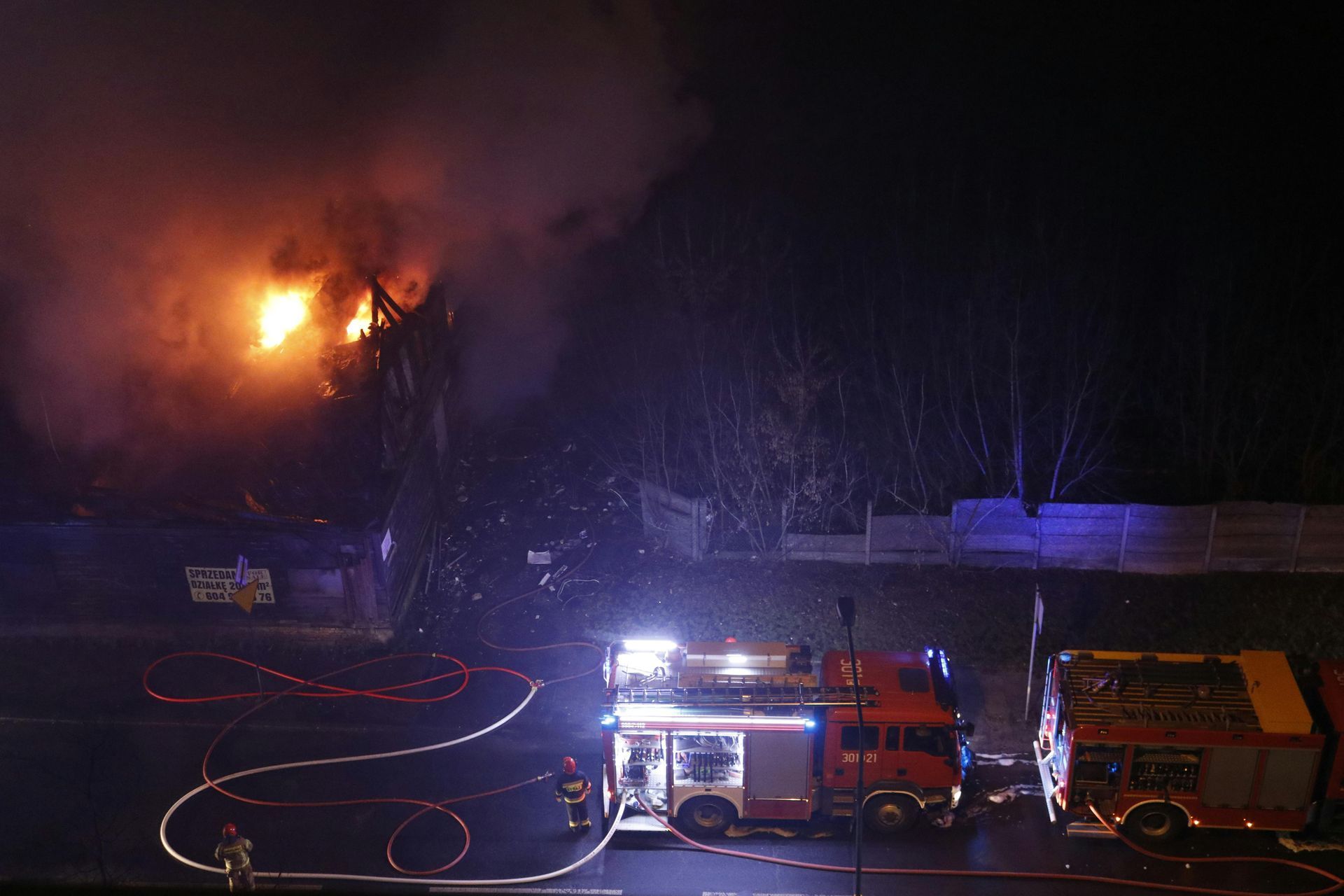
City and Forest Fires
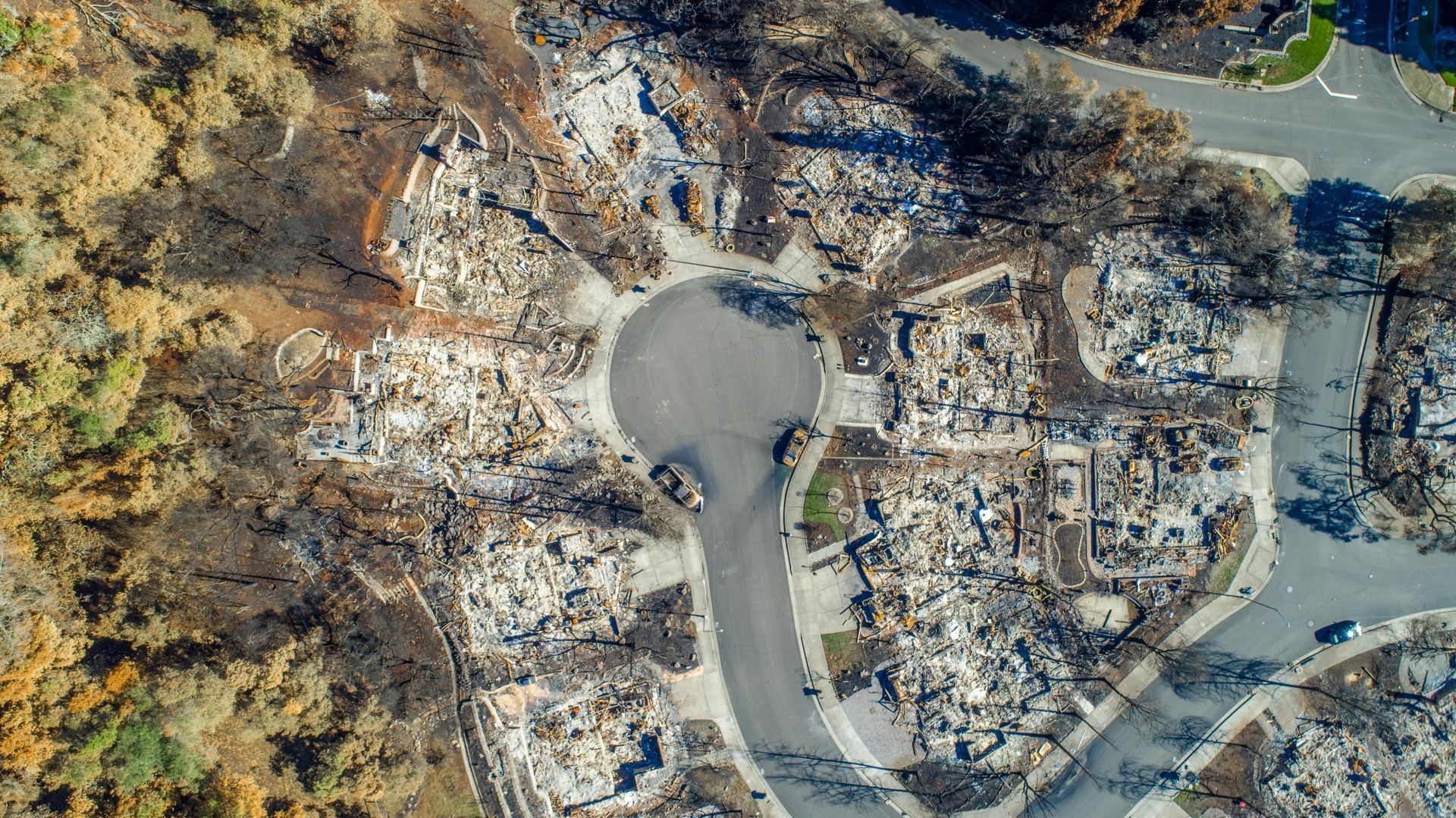
Fires can not only devastate homes, but cut off the access to your authorizations, medical management, and claims teams...
Flooding
Floods wreak havoc on clinics, hospitals, and the giving and receiving of patient care.
Heavy Snow Storms
Chilling snow storms can freeze up patient care options, and delay authorizations, surgeries, and every type of care from simple to life saving care.
Why keeping Operations up and running could be harder than you think
Staff Disruption Reduces Operational Capacity Dramatically
Disasters impact payer personnel directly—teams may be evacuated, lose power, or lose secure system access. During the 2021 and 2023 Texas freezes, entire regional teams were unreachable for days, halting authorizations and delaying payments. Similar patterns occurred during Florida’s repeat hurricane seasons, where staff displacement slowed claims processing across multiple counties. Backlogs grow exponentially under these conditions unless operational models are designed to function with partial staffing. Leaders must treat disruption as an inevitability and architect workflows that fail gracefully, not catastrophically.
Prepare a Hybrid Work Environment
Having a hybrid work environment alread set up with security access will enable you to quickly go from in-office to at-home services with little to no delay. One of the best ways to practice this is to actually convert your business into one-day a week or a few days a month for remote and at-home work. This can allow you to guage issues when no disasters are occuring and ensure security and productivity levels are met.
Build Back-up VPNs and Redundancies
Backup VPNs, cloud-based tools, and secondary log-in pathways ensure teams can continue adjudicating claims and processing authorizations even when primary systems fail. Redundancy minimizes downtime and protects the payer from losing critical operational hours during peak disaster periods.
Emergency and Retroactive Authorizations Surge Overnight
Hospitals bypass standard authorization processes during crises to prioritize patient safety. After the LA wildfires, burn units, trauma centers, and respiratory clinics performed procedures without waiting for approvals. During the Texas freeze, facilities performed emergency dialysis and cardiac interventions before payers could respond. These events generated massive retroactive authorizations with incomplete documentation. Plans must implement Disaster Mode authorization pathways that preserve medical appropriateness while allowing urgent decisions.
Provisional Authorization Frameworks
Provisional approvals allow care to proceed while establishing a documented commitment to review full clinical details once records are available. This prevents provider frustration and avoids unsafe delays while maintaining medical necessity oversight.
Dedicated Retro-Auth Lanes
Creating routed queues for disaster-related retro-auths keeps normal UM operations from collapsing. This was essential during the California wildfires, when hospitals submitted weeks’ worth of delayed authorizations in a compressed timeline.
Claims Volume Spikes While Documentation Quality Declines
Floods, wildfires, and storms force providers into temporary workflows that result in incomplete or error-prone claims. After Hurricanes Ian and Nicole in Florida, hospitals submitted thousands of claims missing modifiers, using placeholder diagnoses, or lacking operative notes. Manual reviewer teams cannot keep up with these sudden waves, especially when staff are disrupted themselves. Without automated auditing, overpayments surge and downstream appeals multiply. AI auditing becomes the backbone of operational stability during disaster-driven claim surges.
Full-Population AI Claims Auditing
AI systems like Virtual Examiner® evaluate every claim—even when staffing is limited—catching missing components, incorrect coding, and inappropriate billing tied to chaotic provider operations. The goal isn't necessarily deny everything, but we have to be weary of opportunistic fraudsters, as well as identifying claims that are coded so poorly that they will intiaite an audit from OIG down the road.
Example: Initiating a valid patient concern and visit for asthma related concerns but coding it as a new patient when the patient is existing.
How Payers Execute Disaster Mode Without Losing Control
Simplifying Authorization Requirements Safely
During extreme events, rigid authorization requirements can delay essential care. During the Texas freeze, dialysis and infusion centers required instant approval to relocate patients. During wildfires, burn units often shift facilities multiple times. Plans must temporarily streamline rules—but boundaries are essential. Disaster Mode allows speed while preserving documentation expectations, auditability, and regulatory compliance.
Temporary Policy Variances With Defined Expiration
Time-bound, clearly documented exceptions give providers flexibility without creating long-term ambiguity. Regulators expect these variances to be tracked and reversible.
Documentation Grace Periods
Allowing delayed documentation intake prevents bottlenecks while keeping the plan aligned with medical necessity standards.
Maintaining Workforce Capacity Through Redundancy and Distribution
A geographically concentrated workforce is vulnerable. Florida floods, California wildfires, and Texas freezes each demonstrated that regional events can disable entire teams. Plans must distribute talent, cross-train roles, and maintain redundant workflow hubs. When one region goes offline, another must seamlessly absorb critical functions. This structure separates resilient payers from vulnerable ones.
Multi-Region Workflow Hubs
Distributing claims, UM, and provider operations across multiple states ensures operational continuity when one area suffers outages, evacuations, or facility closures.
Cross-Training for Surge Capacity
Cross-trained teams can support adjacent functions temporarily—UM assisting with claims intake, claims assisting with provider services—reducing bottlenecks and stabilizing throughput.
Automation Acting as a Parallel Workforce
During disasters, human availability becomes unpredictable. Automation remains constant. AI-assisted claims review, coding validation, and clinical logic interpretation provide uninterrupted support. This proved critical during the 2022 government shutdown, when staffing shortages created widespread delays in payer operations. Plans that rely on AI for baseline throughput recover far faster after any disaster.
Ai-Automated Authorization Approvals
Having the ability to automatically approve emergency related-authorizations with the appropriate codes for the scenario the patient is undergoing avoids timely manual approvals.
AI-Automated Authorization Denials
Simple errors like the wrong gender, POS, these things shouldn't be missed ever, and should be immediately denied. Now, the complex coding, we understand that it's a difficult time and a provider missed a complex bundled code, but simple errors even during emergencies are the responsbility of the provider and biller. But just think about this, the Biller is not performing the open heart surgery or brain surgery, they are the biller and they know better.

Managing Provider and Member Expectations During Crisis Conditions
Supporting Providers With Clear, Rapid Guidance
Providers require immediate clarity during disasters, especially when shifting between temporary locations or working with incomplete systems. During the LA wildfires, clinics reported that payer silence was more harmful than rule changes. Clear communication stabilizes provider expectations and prevents surge escalations. Health plans that proactively inform providers become partners—not barriers—in crisis response.
Emergency Provider Bulletins
Rapid bulletins communicating temporary policies, OON guidance, and reduced documentation requirements prevent confusion and reduce inbound call volume.
Dedicated Disaster Hotlines
Routing urgent provider questions to specialized teams builds trust and accelerates decision-making during strained conditions.
Ensuring Members Can Access Care Despite Displacement
Displaced members often lose access to pharmacies, PCPs, and transportation. During the 2022 Florida floods, many members had no ability to refill prescriptions or attend appointments. Clear, multi-channel communication helps members navigate telehealth, emergency refills, and temporary care options. Better communication dramatically reduces grievances and emergency utilization spikes.
Emergency Refill and Telehealth Policies
Allowing 30-day emergency refills and expanding telehealth helps stabilize member care when brick-and-mortar access is limited.
Localized Resource Maps
Publishing open clinics, urgent care centers, and pharmacies by ZIP code ensures members can find care quickly during disruption.
Managing Out-of-Network Care Without Creating Financial Leakage
Disasters often force members into the nearest facility, regardless of network status. This happened frequently during the Texas freeze and Florida's 2023 flooding events. Without temporary rules, members face unnecessary denials and payers face avoidable appeals. Plans must offer temporary OON accommodations while maintaining financial integrity.
Disaster OON Reimbursement Schedules
Establishing predefined OON reimbursement structures for impacted ZIP codes streamlines processing and reduces disputes.
Expedited Temporary Credentialing
Allowing facilities to become temporary in-network partners reduces member cost exposure and stabilizes billing accuracy.
Building the Health Plan That Emerges Stronger After Disaster
C-suite leaders must drive readiness across people, process, and technology. Plans that integrate automation, maintain distributed workforces, and establish Disaster Mode protocols recover quickly and maintain market trust. Plans that rely solely on manual processes experience prolonged backlogs, regulatory scrutiny, and strained provider relationships. True resilience is engineered—not improvised.
If your organization wishes to explore AI-assisted and AI-automation, don't hesitate to get in touch with us today to help you plan for disasters, reduce costs every day, and increase compliance.
About PCG
For more than 30 years, PCG Software has helped health plans, provider organizations, and delegated entities improve coding accuracy, payment integrity, compliance, and fraud, waste, and abuse detection through payer-focused software and claims auditing expertise.
Click to share with others