How effective payer marketing helps with provider recruitment and retention
Article Outline
- Website tips
- Local SEO tips
- Reputaiton tips
- Social Media tips
- Paid Ads tips
- Special Events tips
Why PCG knows this payer marketing works...
This guide is rooted in the same strategies we’ve used internally to transform PCG’s visibility and brand authority. Under the leadership of our Chief Strategy Officer, Will Schmidt, we rebuilt our entire marketing ecosystem using modern SEO, compliant digital communication, and a deep integration of software and AI-driven analysis. Will leverages automation, AI content frameworks, and data modeling to run nearly all of PCG’s marketing operations—website optimization, competitive research, social media growth, email performance, and long-term strategy—without adding headcount or large agency overhead.
These tools and processes helped move PCG to Page 1 on both Google and Bing for high-value industry keywords, strengthened engagement with national payers and MSOs, and reduced our annual marketing spend by more than 60% while increasing overall visibility. Every recommendation in this guide comes directly from the systems and results we’ve proven ourselves, demonstrating that compliant, efficient, and highly effective marketing is achievable for any payer, MSO, or IPA willing to modernize.
Payer Website Tips
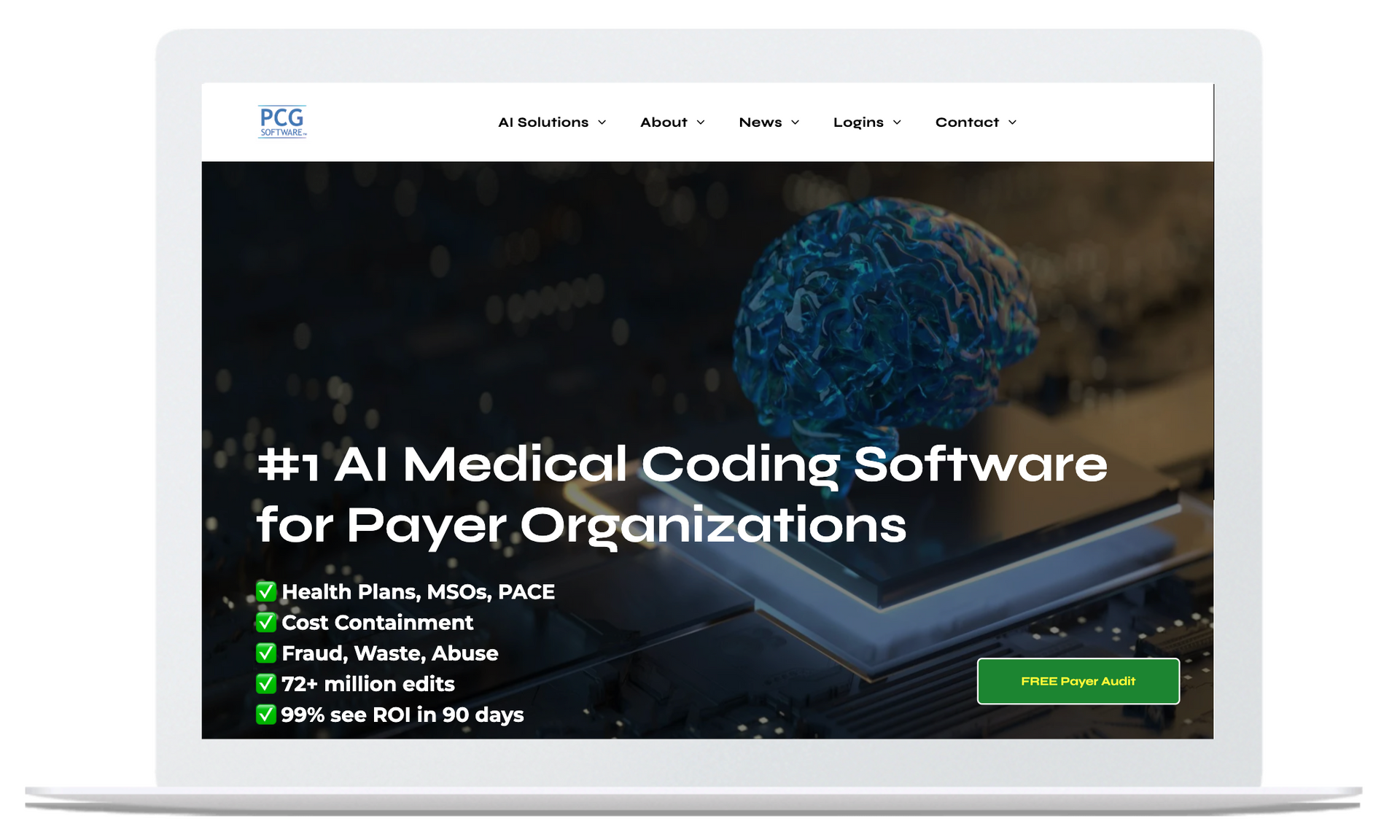
Clear, Beautiful Home Page with Easy Navigation
No one will take your business seriously if your website looks like you built it in 2005 or you slapped some content and images on a Wix platform. Your website is the gateway to your organization. Patients, providers, and healthcare professionals typically visit your website first to understand what you offer. Visitors should instantly understand whether you pay claims, manage practices, or do both. Clearly defining your purpose builds trust and helps visitors quickly determine if you’re the right solution for their needs.
Website Design Tips
A clean, modern design helps patients, providers, and partners understand who you are within seconds. Prioritize simple layouts, clear messaging, and intuitive navigation. Strong visuals, readable fonts, and organized sections build trust and guide visitors directly to the information they need.
Mobile Optimization tips
Most users access your website from a phone, so mobile performance matters. Ensure pages load fast, text is easy to read, and buttons are large enough to tap. A mobile-friendly experience reduces bounce rates and gives Google stronger signals to rank your site higher in search results.
Hosting, Security, and Compliance tips
Reliable hosting, SSL certificates, and HIPAA-aligned security keep your site safe and operational. Strong uptime and encrypted data protect patients and providers while reinforcing your professionalism. A secure infrastructure also supports faster speeds and better overall SEO performance.
Best website builders for Payers
Duda.co is the only website builder PCG trusts because it combines fast, enterprise-grade performance with powerful SEO and writing tools. Its built-in optimization features, schema automation, and AI-supported content creation save teams countless hours. Duda’s secure infrastructure, easy editing, and healthcare-ready flexibility make it a cost-efficient, scalable solution for payers, MSOs, and provider groups.
Payer Service Landing Pages
Every key service deserves its own focused landing page so patients, providers, and partners can instantly understand how it benefits them. Keep each page simple, outcome-driven, and written for an 8th-grade reading level. Speak directly to the user’s needs—clarity and relevance build trust and improve conversions.
Authorizations and Medical management pages
Clear authorization and medical management pages help patients and providers understand what requires approval, how to submit requests, and expected timelines. This reduces confusion, improves satisfaction, and positions your plan as organized and easy to work with.
Claims services pages
Your claims services page should explain how claims are processed, what documentation is needed, and how long payments typically take. When expectations are clear, members and providers experience fewer delays and your support team receives fewer repetitive questions.
Compliance service pages
A strong compliance page builds confidence by outlining how you meet state, federal, and CMS regulations. Highlight audit practices, reporting standards, and safeguards that protect patient data. Transparency helps providers feel secure partnering with your organization.
RCM for Providers pages
Your RCM page should show how you improve cash flow, reduce denials, and streamline billing for provider groups. Break down your workflows, reporting tools, and onboarding steps so practices know exactly how you support their financial health from day one.
Financial review website pages
Use financial review pages to explain how you analyze cost trends, coding accuracy, and contract performance. This helps providers see where money is lost or delayed and how your plan partners with them to improve operational and financial outcomes.
Contracting and Negotiation pages
This page should outline how you negotiate fair, data-driven contracts that support access and sustainability. Show your approach to rate reviews, network development, and provider relations to reinforce transparency and strengthen trust with your partners.
Payer and MSO Technical Website SEO
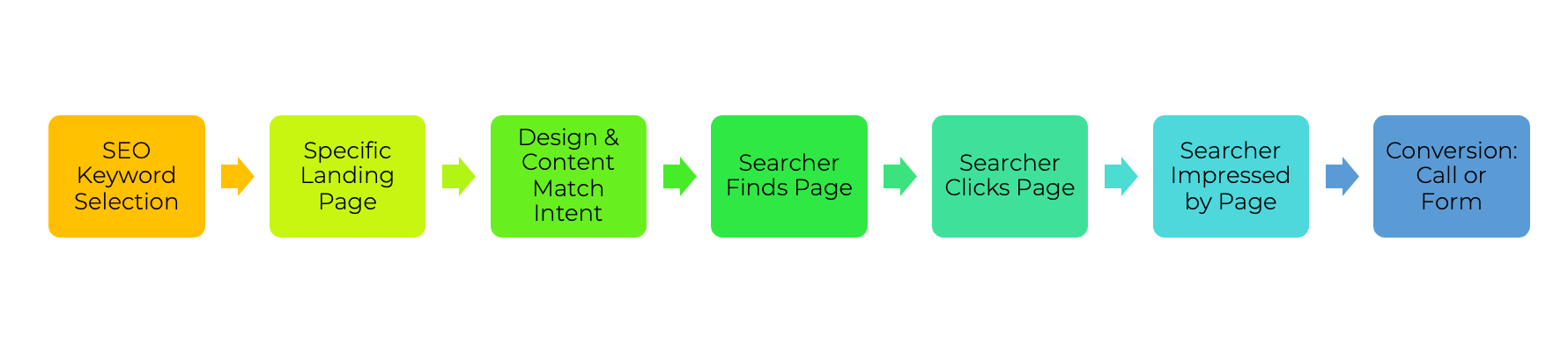
A high-performing payer or MSO website requires more than good design—it depends on strong technical SEO. Patients, providers, and partners need fast-loading pages, accurate information, and easy navigation. By keeping your site optimized, compliant, and regularly updated, you strengthen trust, improve search visibility, and ensure visitors can quickly understand what your organization offers.
Image SEO: Alt Text + Compression Optimization
Proper image SEO improves load speed and accessibility. Add accurate alt text that describes the image in simple language, especially for healthcare-related visuals. Compress images to reduce file size without losing quality. Faster pages improve user experience and help increase your overall search visibility.
Quarterly or Semiannual Updates to All Statistics
Updating statistics every 3–6 months signals accuracy and credibility. Replace outdated figures, refresh charts, and verify source links so providers and partners trust the information on your site. Google rewards fresh, reliable content, helping your pages rank stronger across competitive healthcare searches.
On-Page Hyperlinking for Improved Navigation
Smart hyperlinking guides visitors to the right information quickly. Link key phrases to related services, FAQs, provider resources, or enrollment instructions. This strengthens user flow, increases time on site, and gives search engines clearer context about your content structure and relevance.
Interlinking Blogs and Service Pages for Stronger SEO Signals
Linking your blogs to related service pages—and linking service pages back to educational content—creates a strong internal network. This boosts authority, improves rankings, and helps users move naturally from research to action. Interlinking also increases page views and supports a stronger conversion pathway.
Maintaining a 91–97 SEO Health Score Using Semrush
A healthy website should consistently score between 91–97 on Semrush. This ensures broken links, duplicate content, missing meta tags, and technical issues are promptly fixed. A high score reflects strong performance, faster load speeds, and a cleaner experience for patients and providers navigating your site.
Payer Local SEO Tips
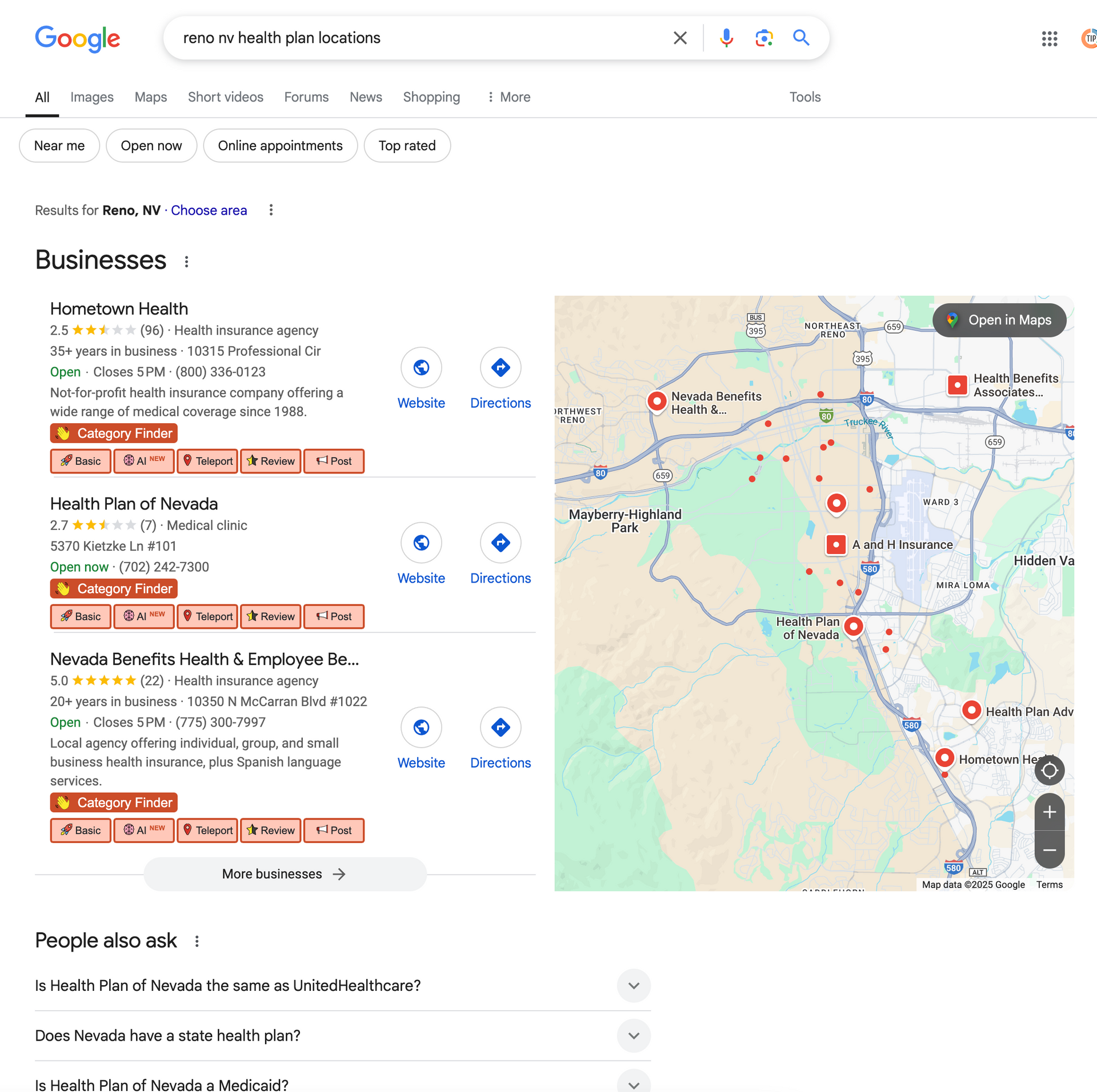
Local SEO is essential for health plans, MSOs, and IPAs looking to capture local patient and provider attention. When someone searches for healthcare services, you need to appear prominently in local search results.
Google Business Profile and Google Maps
Your Google Business Profile is often the first impression prospective patients or providers have of your organization. Regularly update your profile with accurate contact information, business hours, high-quality photos, and compelling service descriptions. The more complete your profile, the better your chances of appearing in local search results.
Consistent Profile Management tips
Keeping your Google Business Profile up to date improves accuracy, trust, and visibility. Refresh photos, verify services, and update hours weekly. Write clear service descriptions under 300 characters and select the right categories so Google understands your offerings. Enable messaging, post weekly updates, and respond quickly to all engagement. Encourage honest reviews and reply to every one to reinforce transparency. Check your insights monthly to see what’s working and adjust as needed. A well-maintained profile boosts rankings and builds confidence before anyone visits your website.
Avoiding spam posts on GBP
Posting too frequently or using sales-heavy language can lower engagement and weaken your ranking. Stick to meaningful updates such as service highlights, seasonal reminders, or educational content. Avoid keyword stuffing—Google may flag it as spam. Prioritize clarity, value, and authenticity with every post.
Company Culture updates on GBP
Showcase what makes your organization a great place to receive care or work. Share behind-the-scenes photos, staff milestones, training achievements, and community involvement. These updates humanize your brand, help potential patients feel connected, and attract high-quality providers who resonate with your mission.
Success updates on GBP
Highlight patient outcomes, provider growth, awards, or operational improvements to build trust and credibility. Success updates reassure prospective patients and partners that your organization delivers consistent results. Keep the message simple, positive, and benefit-driven to reinforce confidence and strengthen local visibility.
Build a Stellar Healthcare Online Reputation
Online reviews significantly impact your reputation and local rankings. Actively encourage satisfied patients and partners to leave positive reviews. Always respond promptly—professionally address negative reviews and graciously thank those who leave positive feedback to build trust and demonstrate responsiveness.
Quarterly or 6-Month Surveys
Regular surveys for members and providers help you spot concerns early and identify opportunities for better care and communication. Keep questionnaires short and well-timed to improve response rates. Send member surveys through email, your portal, or automated follow-ups, and gather provider feedback through emails, webinars, meetings, or quarterly check-ins. A CRM with marketing capabilities can manage all of this securely without violating HIPAA. Review results monthly to track trends, refine workflows, and show both groups that you’re listening and committed to continuous improvement.
QR Code 5-Star Scans build reviews
Place QR codes on signage, business cards, discharge packets, and your website to make leaving a review effortless. Direct access to your review page increases completion rates and captures feedback while satisfaction is highest. This simple tool accelerates reputation growth and supports stronger local rankings.
Respond to all online reviews
Replying to every review—positive or negative—shows accountability and builds trust. Thank supporters, clarify concerns, and invite dissatisfied reviewers to continue the conversation privately. Timely, professional responses demonstrate reliability and reassure potential patients and providers evaluating your organization.
Manage Hiring platform reputation
Your reputation on hiring platforms affects your ability to attract skilled providers and staff. Monitor and respond to reviews on sites like Indeed or Glassdoor, clarifying context and highlighting improvements. A well-managed employer profile supports recruitment efforts and reassures applicants of a healthy workplace culture.
Local Online Profiles all Need to say the same thing
Make sure your organization is consistently represented across essential directories such as Yelp, Healthgrades, and other industry-specific healthcare directories. Accurate and uniform citations—comprising your business name, address, phone number, and website URL—enhance local SEO and strengthen your credibility with Google. Each healthcare organization should aim for 55-70+ local listings and profiles that convey identical information; this is referred to as "NAP" (Name, Address, Phone number). However, it encompasses more than just that. It is crucial that every platform conveys the same details about your company, fostering a cohesive online brand presence.
How to optimize all online profiles
Using tools like Semrush or Local Falcon allows healthcare organizations to optimize 55–70 online profiles and manage every review with precision. These platforms help you track listings, fix inaccuracies, monitor rankings, and respond to feedback across all major directories from one dashboard. Costs can be as low as $99 per month for basic software access, while full agency-managed solutions may range from $499–$999+ per month. Regardless of the level you choose, consistent profile maintenance and timely review responses keep your reputation spotless, strengthen trust with patients and providers, and improve visibility—ultimately driving more qualified leads into your organization.
Payer Social Media Tips

Effective content and active social media engagement help health plans, MSOs, and IPAs build stronger connections with patients, providers, and partners—but only if you’re active on the right platforms. Start by assessing where you currently show up: Facebook, LinkedIn, Instagram, Twitter, or YouTube. Each channel serves a different purpose, from professional networking to community engagement to educational video content. Understanding these differences helps you choose the platforms that best support your goals and ensures your time and resources are invested where they’ll deliver the highest impact.
How Payers and MSOs should use LinkedIn
LinkedIn is the strongest platform for connecting with healthcare professionals, provider groups, executives, and industry partners. For payers and MSOs, it serves as a credibility builder, recruitment channel, and educational hub. When used strategically, LinkedIn strengthens your brand authority, improves provider relations, supports hiring, and helps position your organization as a trusted leader in healthcare operations, compliance, and member services.
LinkedIn Algorithms & Targeting
LinkedIn prioritizes relevance and expertise. Posting consistently, using industry keywords, and engaging with healthcare leaders helps your content reach the right audience. Targeted connections with providers, billers, executives, and clinical staff strengthen brand visibility and credibility across the healthcare ecosystem.
LinkedIn Profile management
Your profile should clearly state who you serve and what problems you solve. Use a clean banner, professional headshot, and keyword-rich descriptions. For company pages, highlight services, compliance strengths, and organizational achievements. A polished profile builds trust with providers, partners, and candidates.
How to effectively post on LinkedIn
Share short, value-driven posts about claims trends, compliance tips, provider support, operational wins, or leadership insights. Use simple language, add one strong takeaway, and post 2–4 times per week. Consistent posting keeps your organization top of mind for providers and industry stakeholders.
Why to write articles on LinkedIn (SEO)
LinkedIn articles help establish authority and strengthen your long-term visibility. Articles often rank in Google search results and can educate providers on claims workflows, RCM improvements, compliance updates, and payer best practices. High-quality articles increase trust and attract new partnerships.
Is hiring through LinkedIn help you?
LinkedIn is one of the best sources for healthcare talent. Its filters help you find experienced billers, auditors, practice managers, and clinical staff quickly. Posting jobs and engaging with candidates directly speeds up recruitment while giving applicants a transparent look at your organizational culture.
How Payers and MSOs should use Facebook
Facebook is an effective platform for reaching members, caregivers, and local communities. It helps payers and MSOs share updates, promote wellness programs, highlight service improvements, and communicate during urgent events. With the right content strategy, Facebook supports engagement, strengthens member trust, and makes your organization more approachable and visible at the community level.
Facebook Algorithms & Targeting
Facebook favors engaging, community-focused content. Posting helpful updates, wellness reminders, clinic promotions, and provider spotlights increases reach. You can also target members by geography, age, interests, or health-related needs—making it a powerful platform for outreach and education.
Facebook Profile management
Ensure your page is fully updated with correct hours, departments, contact info, and service descriptions. Add branded images and organize tabs for easier navigation. A polished, well-maintained profile shows professionalism and reassures members that they’re receiving accurate information.
How to effectively post on Facebook
Use simple, helpful content: reminders about screenings, clinic updates, wellness tips, community events, or success stories. Posts with images or short videos perform best. Aim for 2–3 posts per week to stay consistent while avoiding content fatigue for members.
Are Facebook ads worth it?
Facebook ads can be highly cost-effective for payers and MSOs. They allow you to reach specific member segments, promote wellness programs, boost enrollment campaigns, or highlight provider networks. Even small budgets can increase visibility and drive engagement when targeted properly.
How Payers and MSOs can use YouTube
YouTube is one of the most valuable platforms for payers and MSOs because it simplifies complex topics and builds trust through clear, visual education. Short videos can explain processes, highlight provider partnerships, or walk members through important steps—all in a format that’s easy to understand. When used strategically, YouTube becomes a long-term asset that improves search visibility, supports onboarding, and strengthens brand credibility.
Educational Videos for Members
Create short videos explaining claims steps, authorizations, eligibility checks, or new program updates. Simple visuals help reduce confusion, improve satisfaction, and lower support call volume.
Provider Spotlights & Success Stories
Showcase provider achievements, workflow improvements, or partnership milestones. These videos humanize your network and help strengthen relationships with clinicians and practice managers.
FAQ & Support Tutorials
Use YouTube to answer your most common questions: how to submit claims, how to enroll, where to access forms, or how to navigate your portal. These resources save time for both your staff and your users.
YouTube SEO to your Website
When a video has relevance to a specific website page, you should include the website page's URL in the description.
Should Payers and MSOs use TikTok?
TikTok is not recommended for healthcare organizations at the company level. Its fast-paced entertainment culture, inconsistent content moderation, and high risk of misinformation make it unsuitable for serious healthcare communication. However, employees often use TikTok personally, so your organization must set clear expectations regarding HIPAA, personal opinions, and professional conduct.
TikTok HR/Policy Ideas
Employees should never mention patients, providers, cases, claims issues, or anything that could identify an individual. Even accidental disclosure on TikTok can become a HIPAA violation, so strict guidelines are essential.
Required Disclaimers on Personal Accounts
If employees discuss healthcare topics, require a visible disclaimer stating that opinions are their own and do not represent the organization. This protects your brand from unintended consequences or misinterpretations.
Professional Conduct & Social Boundaries
Create a policy outlining acceptable behavior, prohibited topics, and expectations for respectful communication. Remind staff that content posted online can circulate widely and reflect back on their employer, even from personal accounts.
How Payers and MSOs should use Instagram
Instagram isn’t a core platform for payers or MSOs, but it can still play a light, supportive role. Use it for company culture moments, employee spotlights, hiring announcements, and special events—not for serious operational updates or healthcare education. It’s simply a place to humanize your brand, share celebrations, and give potential applicants a quick look at your workplace atmosphere without relying on it as a primary communication channel.
Should Payers and MSOs use Twitter/X?
Twitter/X is generally not recommended for healthcare organizations due to its massive international audience, inconsistent moderation, and high volume of misinformation. The platform’s tone often leans toward conflict, political debates, and inappropriate language—none of which align with the professionalism required in healthcare. For payers and MSOs focused on clear communication, compliance, and member trust, other platforms like LinkedIn or Facebook offer a far safer, more strategic environment for outreach and engagement.
MSO & Payer Paid Ads tips

Paid advertising enables health plans, MSOs, and IPAs to increase visibility quickly, attract new members, and recruit qualified providers. The key is choosing the right platforms and structuring your campaigns so you reach people who are actively searching for care, evaluating networks, or exploring partnership opportunities.
Google Ads, Facebook Ads, and, when used strategically, LinkedIn Ads offer strong ROI for healthcare organizations. Each platform serves a different purpose, and when combined with optimized landing pages and consistent reviews, they help expand your network, educate communities, and efficiently fill provider gaps.
Google Ads tips for Payers and MSOs
Google Ads is ideal because it targets people already searching for healthcare services, provider network opportunities, enrollment support, or plan-specific questions. By focusing on narrow keyword clusters, you reduce wasted spend and stay in front of high-intent audiences such as physicians, specialists, telehealth providers, and local members.
How Google Ads platform works
Google Ads places your message in front of people actively searching for services, provider opportunities, or regional networks. Because searches show high intent, these users are more likely to click, enroll, or inquire—making it one of the most cost-effective channels for MSOs and payers.
Narrow keyword Ad campaigns cost less
Smaller, themed keyword clusters keep your cost-per-click low and your conversions high. Create separate campaigns for provider recruitment, specialty enrollment, value-based care networks, and telehealth opportunities. The tighter the cluster, the better Google can match your ads to the right audience.
Weekly Google Ads reviews
Weekly reviews help you remove poor-performing keywords, adjust bids, and focus on searches that produce real inquiries. This keeps your spend efficient and ensures your campaigns stay aligned with provider recruitment cycles, enrollment seasons, and community needs.
Optimized Website landing page for Google Ads
Every Google campaign should lead to a clean, fast, and specific landing page. Your page should explain your value, list enrollment steps, highlight provider benefits, and include a short form. A strong landing page improves conversions and reduces ad costs over time.
Keyword Cluster Strategy for Google Ads
Your strategy should be built around 4–5 clusters:
- Provider Recruitment: “join provider network,” “IPA recruitment,” “MSO physician enrollment”.
- Specialty Providers: “orthopedics IPA enrollment,” “oncology provider network,” etc.
- Location-Based: “provider network Los Angeles,” “IPA enrollment Ventura County”
- Value-Based Care: “join value-based IPA,” “ACO physician network”
- Telehealth Providers: “telehealth network jobs,” “virtual care provider opportunities”
These keep campaigns clean, organized, and highly effective.
Facebook Ads tips for Payers and MSOs
Facebook is best for community reach—educating members, promoting health programs, sharing plan updates, and showcasing provider networks. With demographic and location targeting, MSOs and payers can reach specific communities, caregivers, and local populations more effectively than most other platforms.
How Facebook Ads work now
Facebook’s algorithm focuses on relevance and engagement. Ads using simple language, clear visuals, and short CTAs perform best, especially when promoting community resources or provider recruitment opportunities.
Choose your locations wisely
Target ads by ZIP code, county, or service area. This ensures you’re reaching the exact communities your plan supports, rather than wasting impressions on regions that fall outside your network footprint.
Video and Image ads are the way to go
Short videos, animations, and branded graphics help explain updates quickly—perfect for wellness programs, network expansions, or provider announcements. Visual ads consistently outperform text-heavy content on Facebook.
Old School advertising still works
Billboards, transit ads, and community signage still matter—especially for regional health plans and MSOs. These formats help reinforce brand awareness, promote enrollment periods, and connect with local residents who may not engage on digital platforms. While not as targeted as Google or Facebook, traditional advertising builds trust, improves recognition, and strengthens your presence within the communities you serve.
Special Events Marketing for Payers

In-person events remain one of the most effective ways for payers and MSOs to build trust, strengthen provider relationships, and create meaningful visibility in the communities they serve. From conferences to local fairs to town halls, face-to-face engagement allows your team to demonstrate credibility, answer complex questions, and gather insights you can’t access through digital channels alone. Whenever possible, send both a marketing/sales representative and a clinical leader to maintain the right balance of operational expertise and provider-focused communication.
Payer Conferences
Industry conferences provide unmatched opportunities to connect with decision-makers, provider groups, healthcare executives, and potential partners. With the right preparation and follow-up strategy, conferences can accelerate network growth, improve brand recognition, and drive recruitment conversations far more effectively than digital outreach alone.
We provided example tables that you can build for prep work, as well as costs and ROI below:
Prep Work: Who's attending
Research attendees, exhibitors, and speakers before the event. Identify target providers, MSOs, vendors, or health plans you want to meet. Schedule appointments in advance and prepare tailored talking points. Strong pre-conference planning turns casual conversations into meaningful business opportunities.
| Name | Company | Phone | Category | Outcome | |
|---|---|---|---|---|---|
| Dr. Marissa Lee | mlee@valleymedgroup.org | Valley Medical Group | (415) 283-9921 | Target Provider | Requested follow-up meeting to discuss joining the IPA; wants onboarding details. |
| Jonathan Cruz | jonathan.cruz@directhealthplan.com | Direct Health Plan | (213) 844-5602 | Competitor | Shared market insights; no partnership interest. |
| Elena Brooks | ebrooks@caretechpartners.com | CareTech Partners | (858) 771-2244 | Partner / Vendor | Scheduled demo for RCM automation next Thursday. |
| Michael Han | mhan@pacificacoalition.org | Pacifica Coalition | (707) 554-1127 | Other (Research) | Requested whitepaper on value-based care programs. |
| Dr. Priya Shah | pshah@baypsychiatrygroup.com | Bay Psychiatry Group | (510) 920-1148 | Specialty Provider Target | Wants to reconnect in 3 months after expansion. |
Prep Work: Who's attending
Research attendees, exhibitors, and speakers before the event. Identify target providers, MSOs, vendors, or health plans you want to meet. Schedule appointments in advance and prepare tailored talking points. Strong pre-conference planning turns casual conversations into meaningful business opportunities.
Pros and Cons of Keynote Speaking
Speaking at a conference boosts credibility and positions your organization as an industry thought leader. However, it requires solid preparation, clear messaging, and a strong presenter. If executed well, keynote sessions can significantly enhance your visibility and attract provider interest.
Budget vs ROI planning
Conferences can be expensive—travel, booth fees, and promotional materials add up quickly. Set a clear budget and define what success looks like: number of provider leads, partnership conversations, or recruitment requests. Tracking ROI helps justify future participation and ensures resources are used efficiently.
| Event Name | Speaking Opportunity | Host / Sponsor Opportunity | Exhibit / Table Booth |
|---|---|---|---|
| Western Payer Innovation Summit | yes: $7k | yes: $10k | yes: $4k |
| California MSO Leadership Forum | no | yes: $6k | yes: $3k |
| Value-Based Care Regional Conference | yes: $5k | no | yes: $2k |
| Provider Network Expansion Expo | yes: $8k | yes: $9k | no |
| Digital Health Operations Summit | no | yes: $4k | yes: $1k |
Local Non-Healthcare Events
Community events such as fairs, business expos, charity runs, and cultural festivals help humanize your organization and expand your reach beyond traditional healthcare settings. These events show that your organization is invested in the local community, supports public wellness, and is accessible to residents who may not be familiar with your services.
Town Halls and Relationship Building
Hosting or participating in provider town halls is one of the most impactful ways to build trust. Use these sessions to address network challenges, share updates, listen to provider concerns, and demonstrate advocacy. If a healthcare topic isn’t on the agenda, request it formally—and invite your entire provider network. Transparent communication and visible leadership significantly improve provider satisfaction, retention, and long-term relationships.
Local Healthcare Events
Local healthcare events allow you to meet providers and patients where they already are—clinics, community centers, hospitals, and county programs. These events help reinforce your role as a supportive, accessible payer or MSO. Bring simple materials explaining your services, provider opportunities, and patient resources. Make follow-up communication part of your process to maximize value.
Compliance with Payer Marketing

Compliance is the foundation of every marketing activity in healthcare. For payers, MSOs, and IPAs, maintaining strict regulatory standards isn’t just about avoiding penalties—it’s about demonstrating integrity, protecting patient information, and earning the trust of providers, specialists, and community partners. Organizations that communicate clearly, follow established regulations, and operate transparently are far more appealing to high-quality providers and industry collaborators.
Regulatory Compliance in Marketing
All public-facing materials—your website, emails, social media posts, digital ads, videos, and printed content—must comply with HIPAA, CMS regulations, and state-specific requirements. This includes protecting patient data, avoiding identifiable scenarios, using approved language, and ensuring claims or statistics are accurate and properly sourced. Before publishing anything, your team should conduct a compliance review to confirm that every message aligns with privacy rules and industry standards.
Clearly outlining your compliance practices for prospective providers also strengthens credibility. Specialists are more likely to join networks that prioritize security, regulatory alignment, and ethical communication. Demonstrating professionalism in your marketing reassures them that their patients—and their reputation—are in good hands.
Quality Assurance and Continuous Monitoring
High-performing healthcare organizations implement ongoing quality assurance programs to maintain regulatory accuracy across all communication channels. This includes routine audits of website pages, marketing campaigns, social platforms, and outbound communication to verify compliance with HIPAA, CMS, and state mandates. These audits also help identify outdated information, incorrect terminology, or messaging gaps that could create confusion or risk.
Showcasing your quality assurance efforts on your website or during provider recruitment highlights your commitment to accuracy, safety, and operational excellence. When providers see that your organization actively monitors compliance and maintains strict standards, it builds confidence and strengthens long-term relationships.
Compliance isn’t just a requirement—it’s a core component of sustainable growth, network expansion, and organizational trust. The more consistent and transparent your compliance efforts are, the more effectively you can attract respected providers, retain members, and build a reputation of reliability within the healthcare community.
Compliant Payer Marketing Summary
Article Summary: This article provides a comprehensive roadmap for how payers, MSOs, and IPAs can strengthen provider recruitment, improve retention, and expand their networks through modern, compliant marketing. It covers the full spectrum of what today’s healthcare organizations need to compete—website optimization, technical SEO, Google Maps positioning, online reputation building, social media strategy, paid advertising, and in-person events. Each section offers clear, practical steps to boost visibility, build trust with providers and members, and create a consistent presence across digital and community channels. When these strategies work together, they help organizations grow faster, communicate more clearly, and deliver a higher level of service to the communities they support.
Why PCG Wrote this Article: We wrote this article to help healthcare payers and MSOs accelerate growth in a responsible, compliant way—because marketing in healthcare must balance visibility with accuracy, trust, and regulatory alignment. As a company rooted in fraud, waste, and abuse prevention and cost-containment technology, we understand how critical clarity, operational excellence, and provider confidence are to your success. Our mission is to equip your teams with practical, proven strategies that attract high-quality providers, strengthen community relationships, and support sustainable membership growth. By sharing these insights, we aim to empower our partners and prospects to grow faster, operate more efficiently, and build networks grounded in integrity and value-based care.
About PCG
For more than 30 years, PCG Software has helped health plans, provider organizations, and delegated entities improve coding accuracy, payment integrity, compliance, and fraud, waste, and abuse detection through payer-focused software and claims auditing expertise.
Click to share with others