Michigan Healthcare Fraud is Exploding
Quick Summary:
Recent months have seen a wave of healthcare fraud actions affecting Michigan providers. Federal and state authorities have uncovered schemes in behavioral health, substance abuse treatment, telemedicine/DME, and Medicaid/Medicare billing. These cases (often involving kickbacks, sham telehealth orders, or bogus home care claims) show how vulnerable care programs are to abuse. We break down how these frauds worked, who was involved, and their financial impact. The following sections review key DOJ and OIG enforcement actions (Nov–Dec 2025) and related schemes, with real case details and cited sources.
Michigan Medicaid Halted and under Investigation
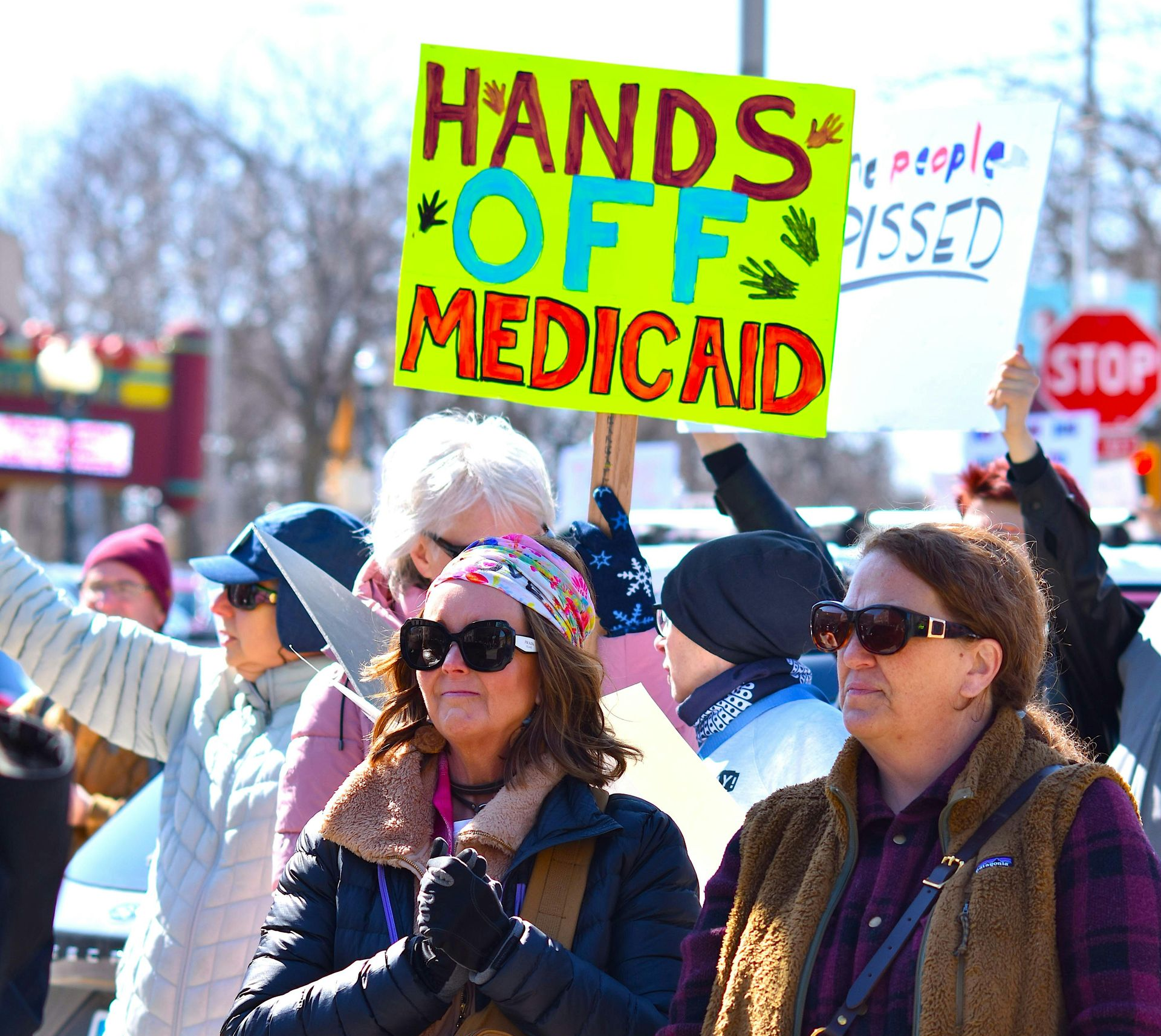
Michigan Medicaid Funds Freeze
The Centers for Medicare & Medicaid Services (CMS), under the direction of federal leadership including Vice President J.D. Vance and CMS Administrator Dr. Mehmet Oz, announced in late February 2026 that it was temporarily halting approximately $259.5 million in federal Medicaid funding to the state of Minnesota due to concerns over fraud and unsupported claims within that program. The reported freeze specifically targeted spending on personal care services, home- and community-based services, and practitioner services, and was framed as a measure to ensure states act as responsible stewards of federal Medicaid dollars. CMS characterized the suspension as a deferral of federal payments pending corrective action, with Minnesota required to submit a plan to address the agency’s concerns before funding resumes. This action was accompanied by a broader federal initiative that includes data-driven fraud detection and enforcement efforts, as well as a nationwide moratorium on certain Medicare enrollments to curb ongoing fraud, waste, and abuse across CMS programs.
Sources:
CMS Article on Fraud Crackdown,
Detroit News
New DME Suppliers Blocked for 6 months
In addition to investigating Medicare and Medicaid fraud, CMS Administrator Mehmet Oz has placed a freeze on all new DME enrollment requests for six months.
Michigan Provider Fraud

Sleep Center Fraud (Feb 2026: Oakland County, MI)
Oakland County sleep-disorder providers and related entities agreed to pay $763,954.74 to the United States and the State of Michigan to resolve FCA allegations involving (i) improper billing for sleep studies without properly trained/certified sleep technicians (Jan 1, 2018–Dec 31, 2024), (ii) $480,000 in PPP loans obtained while engaged in the alleged improper billing, and (iii) Medicaid billing for PAP accessories allegedly not separately payable from PAP rental rates (Jan 1, 2018–May 31, 2024). The matter explicitly references a qui tam case: United States ex rel. Kreiner v. Troy Sleep Center PLC, case no. 24-11073 (E.D. Mich.). Partner agencies included the Michigan AG’s Health Care Fraud Division and HHS-OIG.
Sources:
Justice Department Article
Recovery Center Fraud (Jan 2026: Troy, MI)
Dana Nessel announced felony charges (nine counts) of Health Care Fraud—False Claim against Tamela Peterson (former owner/CEO of the Oxford Recovery Center/Oxford Center), alleging billing for services not rendered; the AG release states the investigation began in September 2022 after complaints from former providers and patients. Procedural dates: arraignment Jan 20, 2026; probable cause conference Jan 27, 2026; preliminary exam scheduled Feb 3, 2026. Bond: $10,000 personal recognizance. Dollar amount allegedly billed: unspecified in the press release.
Sources:
Justice Department Article
False Claims for Urgent Care (Jan 2026: Saginaw, MI)
The Michigan AG announced that James Carthron (former operator of PRN Urgent Care in Saginaw; practice closed in 2023) was bound over to stand trial in Ingham County Circuit Court on 23 counts of Medicaid Fraud—False Claim, alleging Medicaid billing for services never provided (telephone visits) 23 times between May 31 and Sep 27, 2024. Bind-over date: Jan 15, 2026. Next court dates: unspecified (awaiting assignment).
Sources:
Michigan AG Gov
Michigan Drug and Pharmacy Fraud

False Pharmacy Claims (Feb 2026: Deerbron, MI)
A Dearborn Heights pharmacist/business owner, Mohammad Hamdan, pleaded guilty to conspiracy to commit health care fraud tied to a five-year scheme at two pharmacies; the U.S. Attorney's Office, Eastern District of Michigan stated losses of “over $3 million” and alleged “over $3.2 million” in false/fraudulent claims submitted or directed, involving Medicare, Medicaid, and Blue Cross Blue Shield of Michigan. Investigators listed included the HHS Office of Inspector General and the Federal Bureau of Investigation. Sentencing date: unspecified (to be set after presentence report).
Sources:
Justice Department Article
Pill-Mill Pain Clinic (Southfield, MI)
The owner of P&A Aftercare (a Southfield “pain clinic”) hired doctors to write thousands of opioid prescriptions for fake patients in exchange for cash. The fake patients (recruited by associates) filled controlled-substance prescriptions and sold the pills illegally, while the clinic billed Medicare/Medicaid for unnecessary “maintenance” medications. Over $20 million was billed for these pointless opioid and support-drug prescriptions. This case (part of a DOJ opioid-fraud takedown) illustrates a familiar pattern: providers using telemedicine or cash-paid “script mills” to inject fake patients and funnel pills into illegal markets.
Sources:
Justice Department Article
Hamtramck Urgent Care (Detroit area)
A more flagrant case involved a Detroit-area walk-in clinic where Dr. Basil Qandil saw 40–50 “patients” every 30 minutes, prescribing addictive pain drugs almost instantly. In one month alone, Qandil issued over 4,000 opioid prescriptions; he eventually billed Medicare $2.7 million for 37,000+. Qandil has since been criminally charged with illegal prescribing and health-care fraud. The physician saw no legitimate patient – he essentially “signed off” on scripts for anyone who paid cash (some for $800 per visit). This enabled vast illegal diversion of opioids under the guise of medical treatment.
Sources:
HamTrack Review Article
Okoh Pharmacy Scheme - $6.2 Million - 80 Months Prison
As of Dec 2025, pharmacist
Isaiah Okoh of Sterling Heights was sentenced to 80 months in prison for billing Medicare, Medicaid, and private insurers for drugs never dispensed. From 2019 to 2022, Okoh submitted claims for high-reimbursement medicines (such as blood thinners and inhalers) that he didn’t order or have in stock. He and a co-conspirator even forged doctors’ signatures to support the claims. This fraud caused
over $6.2 million in losses to federal and private payers. Okoh must pay nearly $4M in restitution.
Sources:
Justice Department and OIG Statement
Dearborn Heights Fraud - $4M Pharmacy Scheme
In November 2025,
Nabil Fakih, owner of a Dearborn Heights pharmacy, was sentenced to 46 months for a similar fraud. Fakih billed Medicare for prescriptions (blood thinners, inhalers) that his pharmacy never had or dispensed. He manipulated inventory records to hide the fraud and diverted proceeds for personal use. His scheme spanned 2011–2017 and caused about
$4 million in losses to Medicare. Fakih forfeited properties and paid restitution totaling about $4.7M.
Sources:
Justice Department and OIG Statement
What do we learn from this Michigan Pharmacy fraud?
These cases illustrate a common fraud model: pharmacies filing fraudulent claims for high-margin drugs without dispensing them, or prescribing high-volume prescriptions they know plans are inundated with. In the quantity and low-dollar-value type of fraud, providers will continue to increase their prescription counts until they are either caught or wisely and deceptively take on another provider into their scheme.
Compliance tip:
reconcile prescription claims with actual dispensing records regularly, and audit unusual purchase inventories.
DME and Telemedicine Fraud

Tele-health Braces Fraud
Five Michigan doctors have either pleaded guilty or settled for ordering medically unnecessary orthotic braces and genetic tests by telemedicine, collectively agreeing to pay hundreds of thousands in repayments. One doctor admitted approving 1,300+ unnecessary braces online, resolving civil charges of $295,000. These cases underscore that physicians on telehealth platforms must carefully verify medical necessity to avoid unwittingly laundering kickback schemes.
Sources:
Justice Department Article
DME and Telemedicine Fraud (Bloomfield, MI)
One of the highest-profile Michigan cases in late 2024 involved telemedicine and durable medical equipment (DME) – specifically orthotic braces. Dr. Sophie Toya of Bloomfield Hills, MI, signed thousands of prescriptions for expensive braces during telehealth calls, though she never examined the patients. For instance, in one case she prescribed 7 different braces (back, shoulder, wrist, knee, ankle) for a single patient after a 1-minute call. She even signed multiple brace orders for undercover agents in brief calls.
Sources:
Justice Department Article
Psychotherapy & Counseling Schemes
Historically, Detroit-area fraud has also involved behavioral health services. For example, a Michigan clinic owner pleaded guilty to using disabled patients’ IDs to bill Medicare over $3 million for bogus services. This involved submitting claims for therapy services that were never provided and using providers’ IDs without their consent. Fraud like this is typically uncovered when audit or law-enforcement teams spot suspicious billing patterns (e.g., extremely high volume or implausible patient loads).
Sources:
Justice Department and OIG Statement
Trending Michigan Fraud Topics

Alleged DayCare Fraud in Minnesota
Federal authorities have dramatically increased investigations into suspected fraud at Minnesota childcare centers, many of which serve the Somali-American community. DHS Secretary Kristi Noem and FBI Director Kash Patel announced a surge of federal agents after a viral video claimed Somali-operated daycares were diverting millions in federal aid. In the days since, DHS agents were filmed “going inside” dozens of facilities to interview staff, and the Department of Health and Human Services froze all Minnesota childcare payments amid the fraud allegations.
The Justice Department also revealed charges in related schemes – for example, a $14 million kickback fraud in an autism-services program – even as state child welfare regulators say that unannounced inspections of the targeted daycare centers found no evidence of current wrongdoing. The $1 billion in Minnesota taxpayers' money supposedly stolen would exceed the state's entire Department of Corrections budget. Quality Learning Center, which couldn't even spell "learning" right on its door, is receiving $4 million per year.
These actions tie into a much larger Minnesota fraud inquiry: dozens of providers face indictments in scams involving pandemic relief, child nutrition, housing support, and autism therapy programs (about $250 million identified to date). Prosecutors estimate the total losses may exceed $1 billion, and report that the vast majority of those charged are Somali Americans.
Current Status:
PCG is reporting the latest updates as this investigation is ongoing. To date (12/31/2025), no daycare organizations have been arrested, charged, or found guilty of fraud. As this story develops, PCG will update this article accordingly.
Sources:
Komo News,
Summary on Michigan Fraud
Michigan is experiencing a sharp escalation in healthcare fraud, with recent federal and state enforcement actions exposing widespread abuse across pharmacies, pain clinics, telemedicine, DME, behavioral health, and publicly funded care programs. From opioid pill mills and phantom pharmacy billing to sham telehealth orders and fabricated counseling services, these schemes reveal how quickly weak controls, high-volume billing, and inadequate oversight can be exploited. The cases outlined in this article highlight recurring fraud patterns, the scale of financial losses to Medicare and Medicaid, and the growing focus of DOJ and OIG investigators on Michigan providers, underscoring the urgent need for stronger auditing, data transparency, and proactive fraud prevention.
About PCG
For more than 30 years, PCG Software has helped health plans, provider organizations, and delegated entities improve coding accuracy, payment integrity, compliance, and fraud, waste, and abuse detection through payer-focused software and claims auditing expertise.
Click to share with others